Establishing a scalable UX Research Framework
Project
ShiftX Global (Pvt)
ROLE
UX/UI Designer
Focus
Experience Design
Date
February 2022 - March 2022
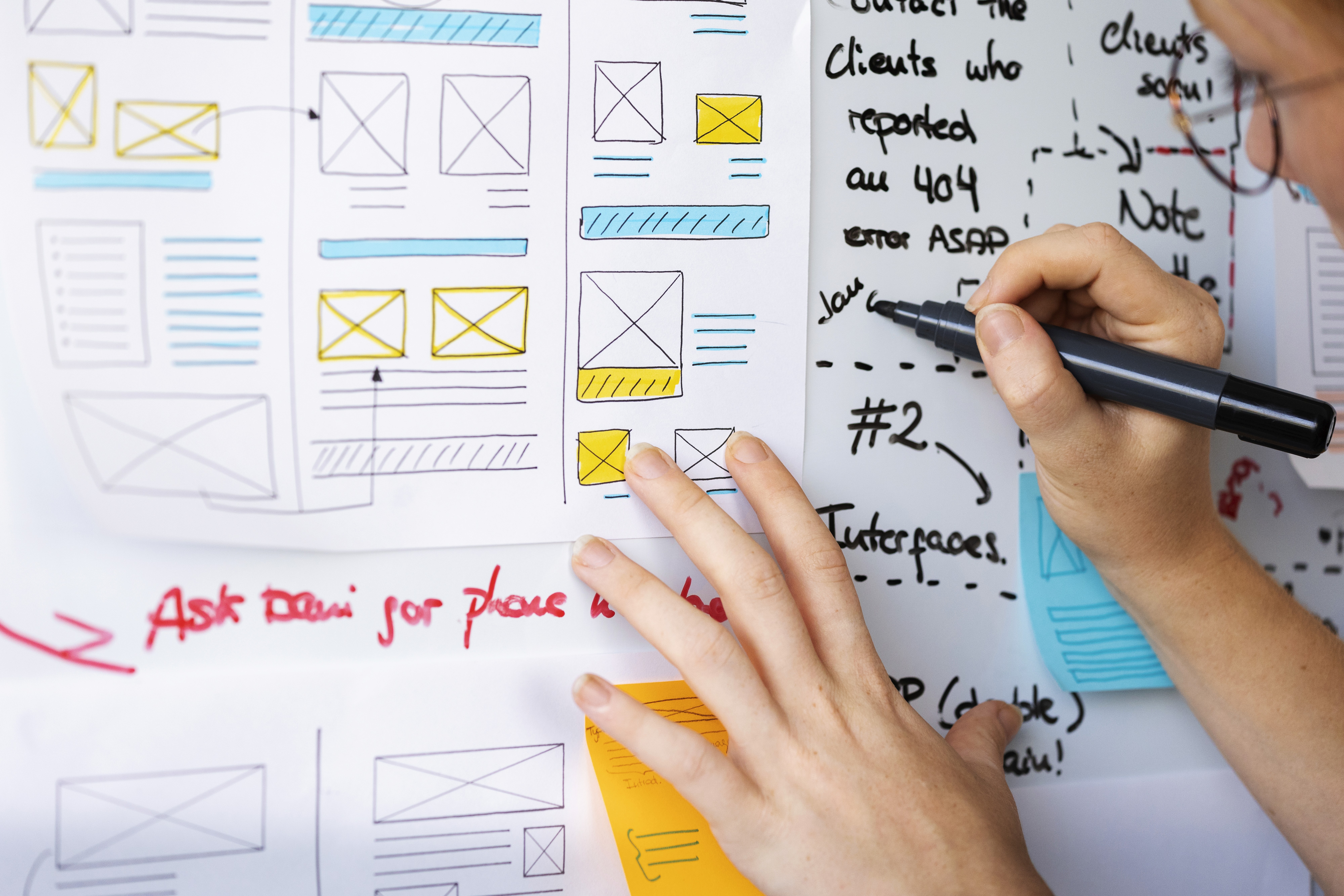
This project was initiated at ShiftX Global during the launch of its new IT and UI/UX development team. My initial challenge was not product design, but designing the process itself to support the company's rapid growth and diverse client needs.
The initial development environment was highly inefficient, leading to project risk and delays:
No Process - No Team
he company lacked a standardized UI/UX design process, relying on ad-hoc coordination between Business Analysts and Developers.
Inconsistent Work
Client projects were managed inconsistently, lacking core UX documentation and leading to frequent scope creep and subjective design reviews.
Startup Goal
The urgent business requirement was to rapidly design and push MVPs or prototypes fast within fixed time and budget constraints.


Modular & Adaptable Framework Design
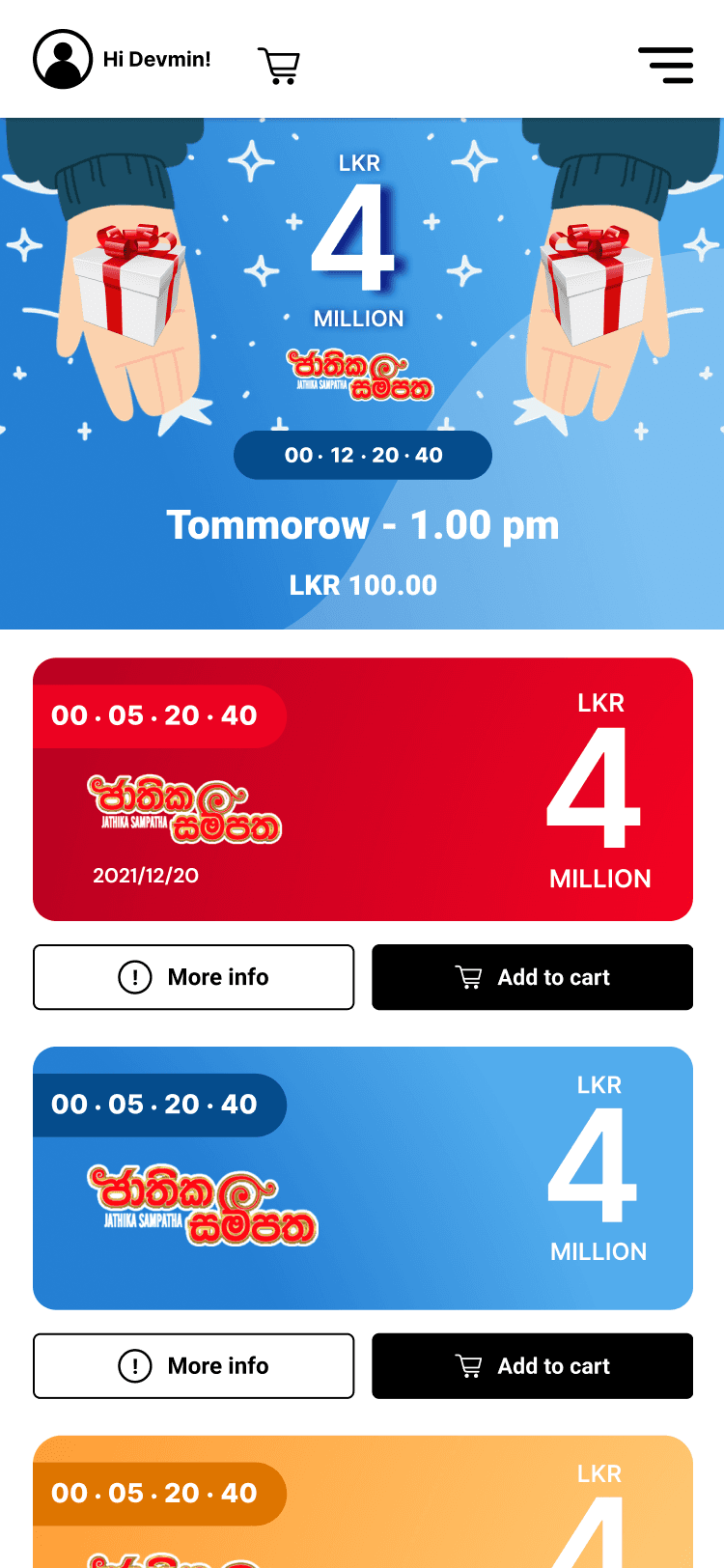
The framework was designed for modularity, allowing it to be scaled up for complex B2B platforms and scaled down for rapid prototypes. For high-speed projects like the NLB Mobile App concept (3-day deadline), the team prioritized and executed only the mandatory deliverables from Phase 1 (Business Analysis) and Phase 2 (Rapid Wireframing). This proved the framework could succeed in highly agile, budget-constrained environments.
Standardized, reusable tools were created to reduce decision-making overhead, streamline research, and ensure cross-functional buy-in.
Standardized Time Allocation
Fixed durations were assigned to core tasks (e.g., 2 hours for Business Analysis, 8 hours for Product Analysis). This helped us work on other projects simultaneously.

Research Standardization
A detailed Client Questionnaire was established as the primary tool for initial project discovery.

Cross-Functional Buy-in & Transparency
The framework was introduced as a collaborative contract. Clear sign-off points (e.g., Wireframes Document Sign-off)

KeyTakeaways
This project validated that design impact is often found in process standardization as much as it is in pixels. By establishing a robust, yet flexible, research framework,
I successfully transformed an ad-hoc development pipeline into a scalable, metric-driven process that directly correlated with project speed and business efficiency.
Future
Future iteration would focus on formalizing the framework into a dedicated DesignOps wiki to ensure continuous governance, scalability, and seamless onboarding for future team growth.